
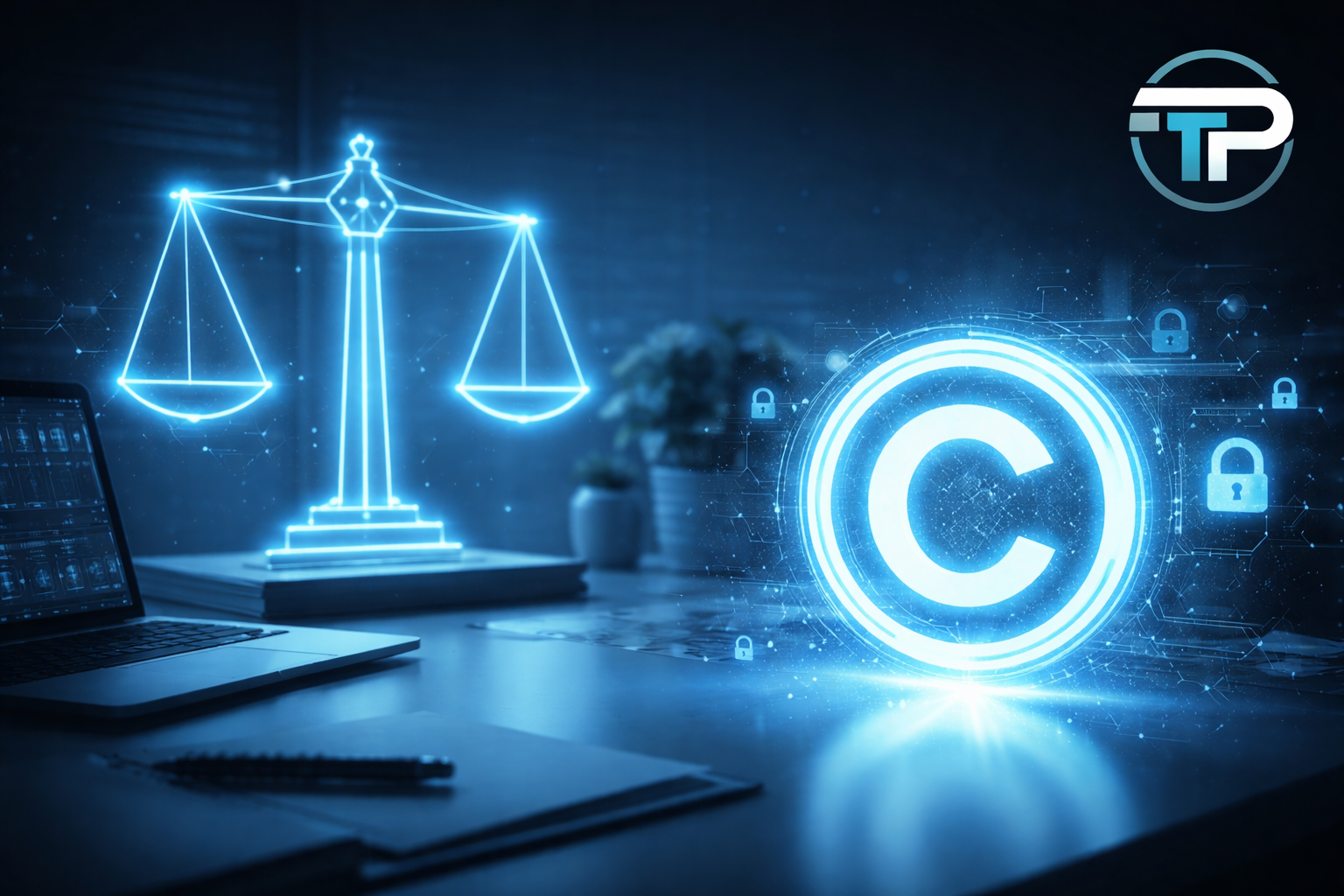
In today’s digital and innovation-driven world, ideas are as valuable as physical assets. A logo, a design, a song, a software code, or even a formula can become the foundation of an entire business. Because of this, protecting creativity has become essential — and that is where Intellectual Property Rights (IPR) play a crucial role.
Industries built on intellectual property contribute significantly to the global economy. From startups to multinational corporations, businesses rely on legal protection to ensure their innovations are not copied, misused, or exploited unfairly.
What Are Intellectual Property Rights?
Intellectual Property Rights are legal protections granted to creators for their original work. They give the owner control over how their creation is used and allow them to benefit financially and commercially from it. In simple terms, IPR laws prevent others from copying, selling, or claiming ownership of your ideas without permission.
These rights typically include:
Patents – protect inventions and technical solutions
Trademarks – protect brand names, logos, and symbols
Copyrights – protect artistic and literary works
Design Rights – protect product appearance and structure
Trade Secrets – protect confidential business information
Intellectual Property vs Intellectual Property Rights
People often confuse the two terms:
Intellectual Property (IP): The creation itself (idea, design, music, invention)
Intellectual Property Rights (IPR): The legal ownership and protection of that creation
Think of IP as the asset and IPR as the legal shield protecting it.
Common Misuse of Intellectual Property
IP violations are growing rapidly worldwide and affect creators, businesses, and consumers alike. Some common examples include:
- Counterfeit Products: Fake goods imitate branded products and damage the reputation and revenue of genuine companies.
- Software Piracy: Illegal downloads reduce developer income and expose users to cybersecurity risks.
- Movie and Music Piracy: Unauthorized distribution leads to massive losses for creators and production houses.
- Trademark Infringement: Using a similar brand name or logo confuses customers and harms brand identity.
- Patent Exploitation: Some entities misuse patent laws to demand settlements rather than innovate.
- Trade Secret Theft: Leaking confidential business strategies destroys competitive advantage.
- Copyright Violation: Unauthorized copying of books, images, or artwork deprives creators of recognition and payment.
Why Intellectual Property Rights Matter
1. Prevent Legal Trouble
Ignoring IP protection can result in lawsuits, heavy fines, and business shutdowns. Proper management of intellectual property helps companies operate safely and sustainably.
2. Protect Brand Reputation
Counterfeit products and imitation brands reduce customer trust. Many consumers avoid brands associated with fake copies, even if the original company is not at fault.
3. Encourage Innovation
When creators know their work is protected, they invest more time and resources into developing new products and ideas.
How to Protect Your Intellectual Property
Protection does not have to be complicated. A few proactive measures can significantly reduce risk:
These rights typically include:
Register trademarks, copyrights, and patents legally
Monitor markets and online platforms regularly
Train employees to handle confidential data carefully
Use digital monitoring tools to detect misuse
Seek professional assistance for enforcement
Keeping Your Intellectual Property Safe
Understanding intellectual property rights is not just about legal compliance — it is about preserving creativity, protecting investment, and building trust.
In a digital environment where copying can happen instantly, awareness and proactive protection are essential. Businesses that actively safeguard their intellectual assets can innovate confidently while maintaining brand credibility. Protect your ideas, protect your reputation, and let your innovation grow securely.